
Secure Independence for Elderly Patients with Alarms
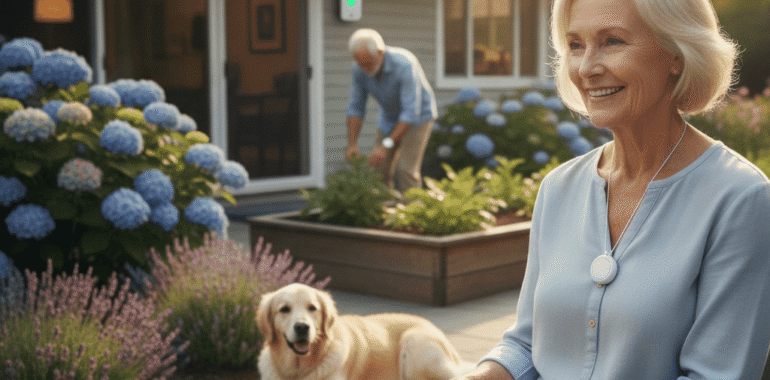
Secure Independence for Elderly Patients with Alarms
As we get older, maintaining our independence becomes a really big deal. For many elderly individuals, staying in their own home for as long as possible is a deeply held wish. It represents comfort, familiarity, and a sense of control over their daily lives.
However, this desire for independence must be carefully balanced with the need for safety and security. Families and caregivers often worry about falls, medical emergencies, or other unforeseen events that could put a senior loved one at risk when they are alone.
This is where modern technology steps in to bridge that gap. I have seen firsthand how simple yet effective solutions can make a world of difference. Safety alarms designed for elderly patients offer a practical way to provide critical assistance when it is most needed, allowing seniors to live more confidently in their chosen environment.
Empowering Autonomy Through Advanced Safety Measures
The longing for autonomy is a fundamental human need that does not diminish with age. Many elderly patients cherish their ability to make their own decisions and manage their daily routines without constant supervision. This sense of self-reliance is crucial for their mental and emotional well-being, contributing significantly to their quality of life.
Yet, the reality of aging often brings physical changes, like reduced mobility or increased risk of falls, that can make independent living seem daunting or even dangerous. This creates a difficult situation for families who want to support their loved ones but also fear potential accidents or emergencies. They want to protect them but do not want to take away their freedom.
Advanced safety measures, especially personal alarms, offer a valuable middle ground. These tools are designed to provide a layer of protection without compromising a senior’s independence. They work by ensuring that help is always just a button press away, whether it is for a sudden fall, a medical issue, or even just feeling unsafe. We empower seniors to maintain their personal space and daily rhythms, knowing that a safety net is in place for those moments when life takes an unexpected turn.
The Desire for Self-Reliance in Later Years
I believe that respecting an elderly person’s desire for self-reliance is very important. It allows them to continue participating in activities they love, maintain their social connections, and keep their routines. When seniors feel competent and in control, they often experience higher self-esteem and a greater sense of purpose.
This includes simple things like making their own meals, enjoying their garden, or managing their personal finances. Every small act of independence adds up, building a strong foundation for a fulfilling later life. Providing tools that support this rather than taking it away is always my recommendation.
Addressing Common Concerns for Families
Families, understandably, have significant concerns about their elderly loved ones living alone. The fear of a fall when no one is around, a sudden health crisis going unnoticed, or an intruder entering the home can be overwhelming. These worries sometimes lead to decisions that might limit a senior’s independence, such as moving them into assisted living earlier than desired.
Safety alarms offer a tangible solution to these worries. They provide reassurance that a loved one can quickly summon help during an emergency, no matter the time of day or night. This peace of mind is invaluable for both the senior and their family, allowing everyone to feel more secure in the independent living arrangement.
Navigating the Landscape of Elderly Patient Safety Alarms
When it comes to securing independence for elderly patients with alarms, understanding the different types of systems available is a crucial first step. The market offers a variety of solutions, each with specific features designed to address different needs and living situations. I often guide families through these options, helping them find the best fit for their loved ones.
Some alarms are simple and direct, while others use more complex technology to offer broader protection. The right choice depends on the individual’s health conditions, their lifestyle, and the level of monitoring required. It is not a one-size-fits-all situation, and careful consideration makes a big difference in effectiveness and peace of mind.
Personal Emergency Response Systems (PERS)
PERS devices are perhaps the most well-known type of personal safety alarm. These systems typically involve a wearable button, often a pendant or wristband, that connects to a base unit in the home. When the button is pressed, it sends a signal to a monitoring center.
A trained operator then speaks to the senior through the base unit to assess the situation. If needed, the operator dispatches emergency services or contacts designated family members or friends. These systems provide a direct line to help, which is incredibly reassuring for many seniors and their families.
Fall Detection Alarms
Falls are a leading cause of injury among the elderly, so fall detection alarms are extremely beneficial. These advanced devices often use accelerometers and gyroscopes to automatically detect when a fall occurs. They can be integrated into PERS pendants or worn separately.
Upon detecting a fall, the alarm automatically sends a signal to the monitoring center, even if the senior cannot press a button. This automatic activation is vital, especially if a fall renders the individual unconscious or disoriented. It means help can be on the way without any active input from the wearer.
GPS-Enabled Alarms
For elderly patients who are still active and enjoy spending time outside their home, GPS-enabled alarms offer an extra layer of protection. These devices, usually mobile units or smartwatches, include GPS tracking capabilities.
If an emergency occurs while the senior is away from home, the device can pinpoint their exact location and relay it to the monitoring center or emergency responders. This feature is particularly useful for those with memory concerns or who might wander, ensuring their safety no matter where they are.
How Alarms Cultivate Freedom for Elderly Patients with Alarms
The primary goal of implementing any safety measure for seniors is to foster their ability to live freely and securely. Alarms play a truly significant role in this. They are not simply emergency devices but tools that actively contribute to a higher quality of life, giving seniors the confidence to engage with their surroundings.
I see alarms as a discreet but powerful guardian, always there but never intrusive. They empower individuals to live on their own terms, knowing they have a dependable backup. The presence of these systems transforms anxiety into assurance, both for the senior and their worried family members.
This boost in confidence can lead to increased participation in social activities, more time spent on hobbies, and a generally more active lifestyle. Without the constant fear of being helpless in an emergency, seniors are more likely to push their boundaries a little and fully enjoy their golden years. We know that feeling secure allows people to thrive.
Immediate Access to Help in Emergencies
The most direct benefit of these systems is the swift access to emergency services. In situations like a sudden illness, a severe fall, or an unexpected injury, time is often critical. An alarm system provides an instant connection to assistance, bypassing the need to search for a phone or remember emergency numbers.
This rapid response can prevent conditions from worsening and can significantly improve recovery outcomes. I have heard many stories where the quick activation of an alarm made all the difference, turning a potentially catastrophic event into a manageable one. This kind of immediate support is essential for safeguarding lives.
The monitoring service acts as a crucial link. Operators are trained to handle various scenarios, ensuring that the appropriate help is dispatched quickly. This professional, round-the-clock coverage means that seniors are never truly alone, even if their family lives far away.
Peace of Mind for Seniors and Their Loved Ones
The emotional benefits of personal safety alarms for the elderly are just as important as the physical ones. For seniors, knowing that help is readily available reduces the fear of isolation and vulnerability. This knowledge allows them to relax and enjoy their day-to-day activities with less stress.
For family members, the alarms provide a profound sense of relief. They no longer have to constantly wonder if their loved one is safe or if they are missing a critical call for help. This peace of mind frees them from some of the intense worry that often comes with caring for an aging parent or relative. It strengthens the family bond, replacing anxiety with reassurance. We often underestimate the mental toll of constant worry, and these alarms really help to ease that burden for everyone involved.
Choosing the Right System: Features for Secure Independence for Elderly Patients with Alarms
Selecting the ideal safety alarm system involves more than just picking the first one you see. I always advise people to look closely at the features that matter most for their particular situation. The goal is to find a system that is effective, reliable, and comfortable for the elderly user.
Considering factors like ease of use, battery life, and the quality of the monitoring service is absolutely essential. A poorly chosen system might go unused or fail when it is needed most, defeating the entire purpose. A well-matched system, however, can truly enhance a senior’s life.
Usability and Wearability
An alarm system is only useful if the senior can and will wear it consistently. I emphasize looking for devices that are lightweight, comfortable, and easy to operate. Large buttons are a plus, as are designs that blend in rather than stand out, so the senior feels less self-conscious.
The device should be simple enough for them to use without confusion, even in a stressful situation. Voice prompts and clear instructions can also be very helpful. Remember, if it is too complicated, it will sit in a drawer and not provide any safety at all.
Battery Life and Connectivity
Reliability means the alarm is always ready to go. So, a long-lasting battery is a must. Nobody wants to constantly worry about recharging a device meant for emergencies. Look for systems with batteries that last for days or even weeks on a single charge.
Strong connectivity is also vital. The device needs to work consistently throughout the home and, for mobile units, wherever the senior goes. Understanding the coverage area and signal strength of a system before purchasing is a very important step. A reliable connection ensures that alerts reach the monitoring center without fail.
Monitoring Services and Response
The monitoring service behind the alarm is a critical component. I look for companies that offer 24/7 professional monitoring, meaning trained operators are always available to respond. Fast response times are important, so ask about average call answering and dispatch times.
It is also good to understand their protocol. Do they first try to contact the senior, then family, then emergency services? Or do they go straight to 911? Knowing these details helps ensure the service aligns with the family’s expectations and the senior’s needs. The quality of this service can make a major difference in an urgent situation, so choosing wisely is key.
Integrating Alarms into a Holistic Senior Care Strategy
While an alarm system is a powerful tool, I always stress that it is just one part of a comprehensive strategy for senior care. Securing independence for elderly patients with alarms works best when combined with other supportive measures. We should think about how to create an environment where a senior feels truly safe and well-cared for.
This approach considers all aspects of an elderly person’s life, from their physical surroundings to their emotional and social needs. Integrating alarms into this larger plan maximizes their effectiveness and ensures that the senior receives the best possible support, allowing them to truly thrive in their independent setting.
It means looking at the bigger picture. We want to ensure the senior is not only safe from emergencies but also happy, engaged, and has a good quality of life. An alarm helps with the safety part, but other elements contribute to overall well-being. This balanced approach is what I always recommend for lasting independence.
Home Environment Adjustments
Simple changes around the house can greatly reduce risks for elderly individuals. Installing grab bars in bathrooms, ensuring good lighting, removing tripping hazards like loose rugs, and organizing living spaces to be easily navigable are all very important. These adjustments create a safer physical environment, which can lessen the chances of an emergency occurring in the first place.
When you combine these modifications with an alarm system, you get a robust safety net. The home becomes a secure sanctuary, and the alarm provides a reliable backup if an unforeseen event happens despite the precautions. This dual approach offers the most comprehensive protection.
Regular Check-ins and Community Support
Human connection remains indispensable. Regular check-ins from family, friends, or caregivers provide emotional support and a chance to quickly spot any changes in a senior’s health or well-being. These interactions are vital for combating loneliness and ensuring they feel valued and connected.
Community programs or local senior centers also offer valuable resources and social opportunities. They help seniors stay active, mentally stimulated, and engaged with others. An alarm system complements these efforts by providing critical safety assurance, allowing the senior to confidently participate in their community knowing help is available if they need it. When you combine these factors, the senior truly benefits.
My Perspective on Ensuring Senior Safety and Freedom
In my experience, the journey to secure independence for elderly patients with alarms is often deeply personal. I have seen families grapple with difficult decisions, trying to balance their loved one’s desire for autonomy with genuine concerns about their safety. It is a tightrope walk for many. I understand this struggle because I have been part of those conversations many times.
What I have learned is that technology, specifically these alert systems, can be an incredible ally. They are not about replacing human care but about extending its reach. They give seniors a quiet confidence to live their lives, knowing that if a moment of crisis strikes, they are not alone. This allows them to maintain dignity and control, which are priceless as people age.
I feel it is our duty to explore every option that supports their independence while providing robust safety nets. This means staying informed about the latest options for elderly patient safety alarms. It means open conversations with seniors about their comfort levels and preferences. And it means choosing systems that are reliable, easy to use, and tailored to individual needs. The right alarm can make all the difference, transforming worry into true peace of mind for everyone involved. It truly helps to keep seniors safe and free.
Final Thoughts on Securing Independence for Elderly Patients with Alarms
Ensuring the independence of our elderly loved ones while guaranteeing their safety is a delicate yet achievable balance in modern society. Alarms designed for seniors are a powerful and practical solution, offering a vital layer of protection that supports continued autonomous living. These systems range from simple wearable buttons to sophisticated fall detection and GPS-enabled devices, all working to provide immediate access to help when it is most crucial. I believe in giving seniors the tools they need to live confidently in their own homes for as long as possible, and these alarms are a cornerstone of that philosophy. The peace of mind they offer to both the elderly individuals and their families is truly invaluable, reducing anxiety and fostering a greater sense of security. When choosing a system, consider factors like ease of use, battery longevity, and the reliability of the monitoring service to ensure it meets the specific needs of the individual. Remember that an alarm is best used as part of a larger, holistic care strategy that includes home modifications, regular check-ins, and community engagement. By integrating these elements, we can create a supportive environment where seniors can enjoy their independence to the fullest, knowing that help is always just a touch away. Take the step today to explore these options and provide that extra layer of safety and freedom for the elderly patients in your life.